

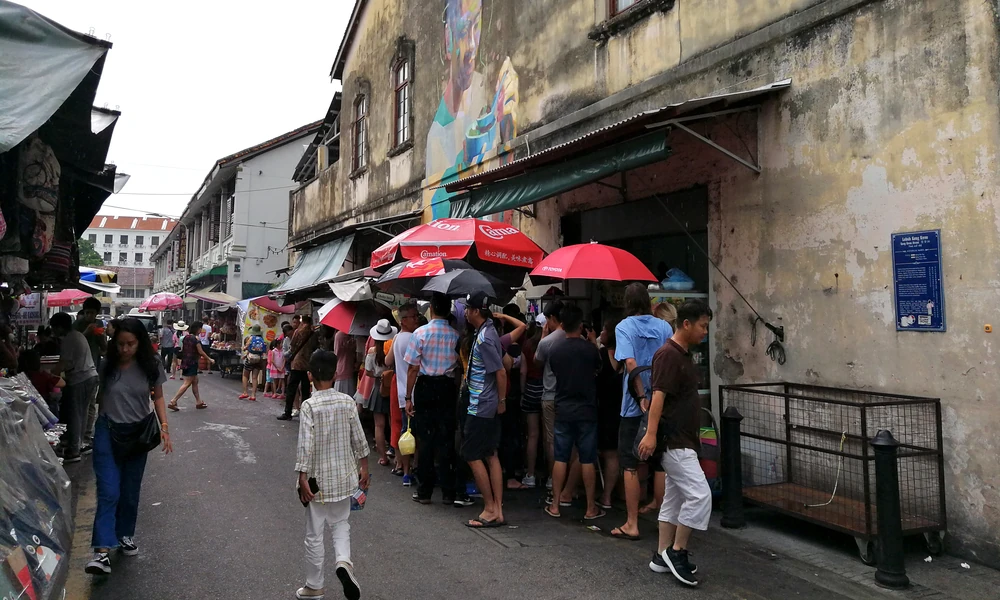
Penang is widely recognised for its heritage architecture, historic streets, and cultural landmarks, yet the island offers much more than conventional sightseeing. Its lively food culture, neighbourhood cafés, evening markets, and social spaces give visitors plenty of ways to experience local life. Travellers browsing Malaysian lifestyle websites, including hotgirlmy-b2b, may come across a range of regional leisure topics, but exploring Penang in person reveals the distinctive character of its communities, dining destinations, and everyday activities.
Penang Beyond George Town’s Heritage Streets
George Town is often the starting point for a visit to Penang, particularly for those interested in its historic buildings, street art, and cultural heritage. However, the island has several other areas worth exploring. Neighbourhoods outside the busiest heritage streets offer a different atmosphere, with local shops, residential districts, cafés, and public spaces.
Batu Ferringhi, for instance, is known for its coastal setting and relaxed holiday atmosphere. Visitors can spend time near the beach, browse local shops, or enjoy a meal with views of the surrounding area. Other parts of Penang provide quieter streets and everyday community settings that help travellers see beyond the main tourist routes.
Food as Part of the Penang Experience
Food is central to Penang’s identity. The island is famous for dishes including char kway teow, assam laksa, nasi kandar, and Hokkien mee. Hawker centres, traditional coffee shops, and family-run restaurants give visitors many opportunities to discover local flavours.
Exploring the food scene can become an activity in itself. Rather than visiting only one restaurant, travellers may spend an afternoon sampling different dishes across several neighbourhoods. Local markets and food courts also provide an accessible introduction to regional cooking, with different options available throughout the day.
Popular Areas to Visit After Sunset
Penang takes on a different atmosphere in the evening. George Town’s streets remain active, with restaurants, cafés, and small bars attracting visitors and residents. Night markets provide another way to spend time outdoors, offering food stalls, local products, and casual shopping.
Batu Ferringhi is also a popular evening destination. Its night market and nearby dining venues create opportunities to browse, enjoy refreshments, and spend time near the coast. Visitors who prefer a quieter evening can find cafés or restaurants away from the busiest streets.
Social and Leisure Activities
Penang’s social scene includes more than dining and nightlife. Visitors can attend cultural events, explore galleries, browse independent shops, or spend time in public parks. The island’s cafés provide comfortable places for conversations and informal meetings, while shopping areas offer entertainment for different age groups.
Those interested in cultural experiences can check local event schedules for performances, exhibitions, and seasonal celebrations. These activities can add variety to a trip and provide insight into the island’s creative and community life.
Exploring at a Comfortable Pace
Trying to cover every attraction in a short visit can make a holiday feel rushed. Penang is better experienced with enough time for unplanned stops, relaxed meals, and short breaks between activities. Walking through a neighbourhood without a strict timetable can lead to discoveries that might otherwise be missed.
Visitors should also allow for traffic and travel time when moving between George Town, coastal areas, and other parts of the island. A flexible schedule makes it easier to adjust plans throughout the day.
Creating a More Personal Penang Itinerary
A personal itinerary can combine heritage visits, food experiences, coastal outings, and evening activities. One day might focus on George Town’s cultural sites and hawker food, while another could include time at Batu Ferringhi and a relaxed evening by the coast.
The variety of Penang’s neighbourhoods makes it possible to create a trip around individual interests. By looking beyond familiar landmarks and spending time in local dining and social spaces, visitors can discover a more complete picture of the island.

